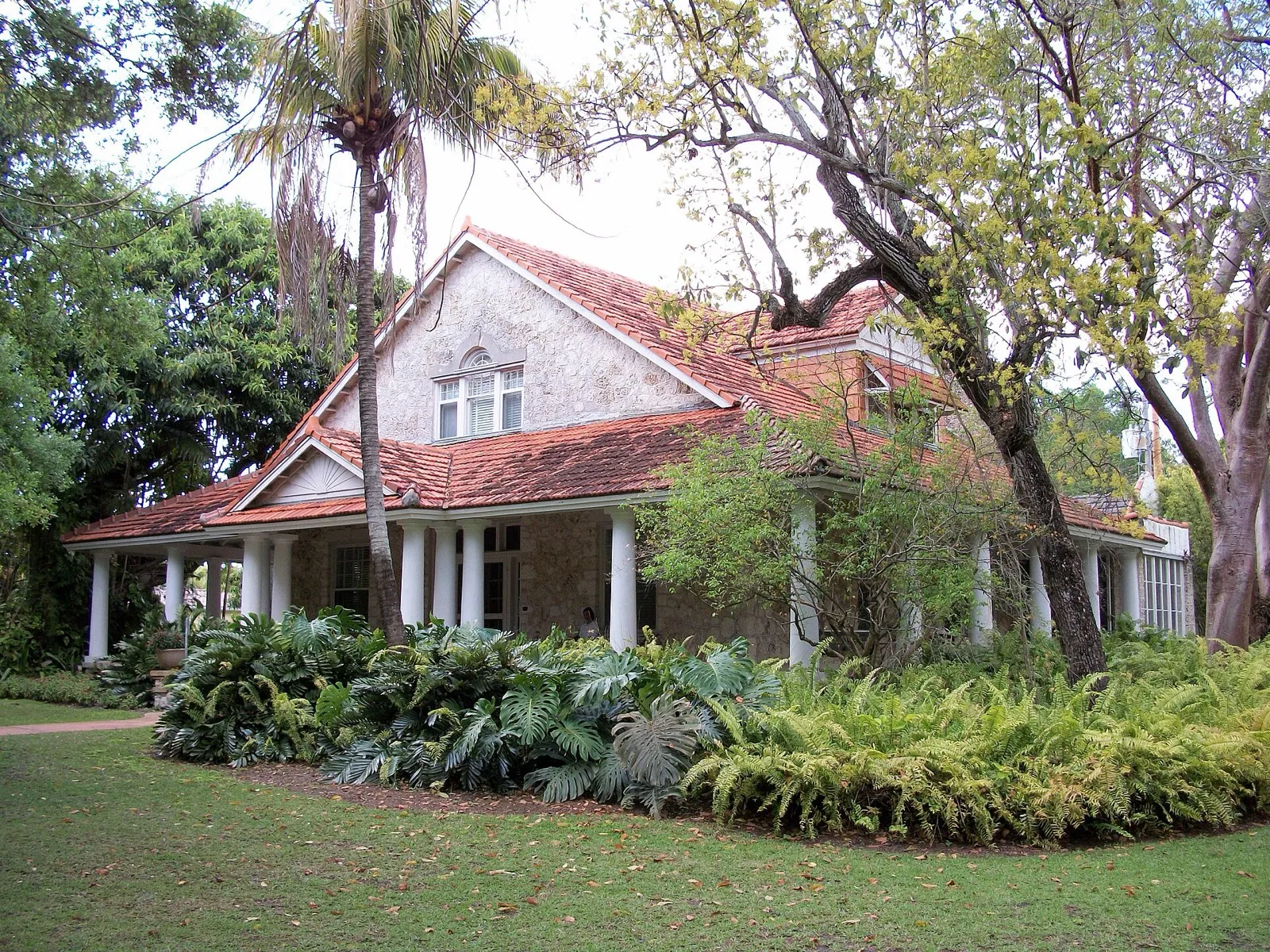
Finding a home for sale in Miami, Florida is rarely just a place-to-live decision for an international buyer — it's a way to dollarize, diversify out of local risk and own hard property in a deep, liquid market.
Where the homes for sale in Miami are
Miami is not one market but a dozen. Coral Gables and Pinecrest are the classic single-family enclaves — established, tree-lined, owner-occupied. Coconut Grove trades on character and walkability. The barrier islands — Miami Beach, Bal Harbour, Key Biscayne — command the waterfront premium. The right choice depends on whether your goal is your own use, rental income or appreciation, and each answer points to a different ZIP code.
Want to see the homes available right now?
View homes →What a home in Miami actually costs
The range is wide. Single-family homes in established inland neighborhoods start around US$500,000; waterfront estates run into the many millions. Price is driven by the neighborhood, the lot, water access and the condition of the house — not by the asking price on the listing. The discipline that protects a buyer is comparing the asset against real, recent sales, not against the seller's aspiration.
Financing: the non-resident buyer does qualify
You don't need residency or citizenship to buy a home in Miami. You can pay cash or use a foreign national loan — typically 30%–40% down, a slightly higher rate, and documentation your bank or accountant can prepare. Many international buyers pay cash and evaluate refinancing once they hold the asset.
Structure: in your name or through an entity
Owning personally exposes a non-resident to the U.S. estate tax, with an exemption of only US$60,000 — which is why many foreign buyers purchase through a structure such as a Florida LLC, sometimes with a holding company above it. It is not always worth the cost: it depends on the amount, the use and your estate. Decide it with your accountant before you make an offer.